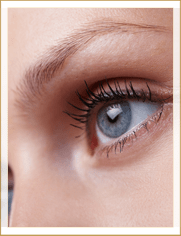
Facelift vs. Fillers

“Can you avoid a rejuvenation surgery of face and eyes by undergoing repeatedly filler and/ or botulinumtoxin procedures?”

This topic is discussed quite controversially and the answer is not that simple.

Patients, who are looking for rejuvenation treatments of face and eye area, have the option to consult medical practitioners with different backgrounds, thus there can be more than one medical specialization engaged. According to their specializations, the practitioners will give their professional advice for a treatment, which can turn out very differently.

For instance, if a doctor does not perform surgeries at all, she or he will most probably advise to avoid surgeries and opt for non-invasive treatments for as long as possible. Does this work for a patient in his or her late 30’s? Yes, definitely, but maybe not that well for someone older than 45 years.

The crux is, that if you wait for too long before you opt for a surgery, the skin may have relaxed to an extend that an optimum result is difficult or not at all to achieve. Very often I need to tell patients, who are in their 60’s, and ask for my advice in my clinic, that it would have been better, if they had visited me a few years earlier. The majority of them tell me, that they have spent ten thousands of dollars over the past 2 decades for non-surgical treatments and that these procedures have not delivered the desired results after a certain age.

So what is the best solution? Every treatment has its rightful place for the right patient at the right time. A medical practitioner, who is able to offer both, non-surgical and surgical treatments of a broad spectrum, like a Plastic Surgeon, is the best person to seek advice regarding the right time/ age to opt for a surgery.

It has been shown over the last decades, that in order to achieve the best and longest lasting results with lifting procedures of face and eyes, the best average age bracket is between 45 and 55 years. In this age group you already see clear signs of ageing, but tissue quality and elasticity of the skin are still good enough to achieve an optimal lifting effect. On top of that, it plays an important role which surgical principals your surgeon follows and which technique is used, but that will be the topic of my next blog.
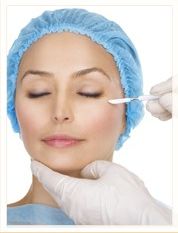
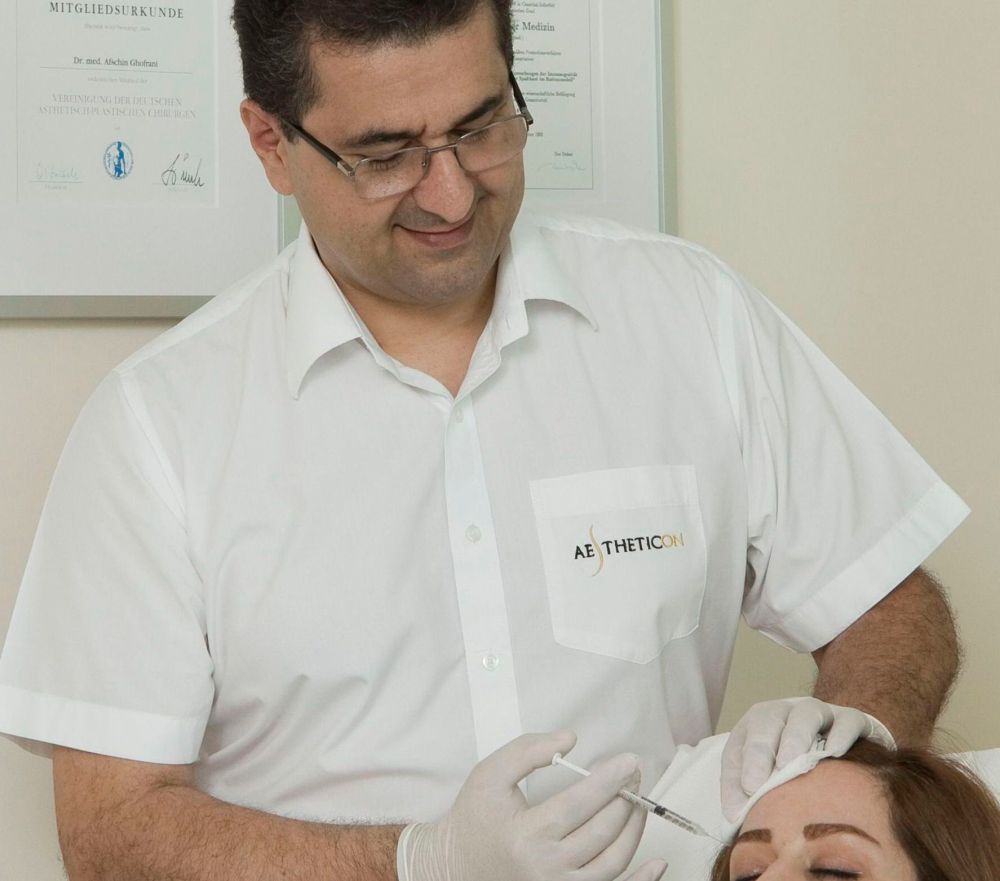


Aesth.picture.facial.rejuven.crop

Fat, the Best Filler?

The most common aesthetic procedures in the world are filler and botulinum toxin injections. Filler serve the purpose to smoothen deep wrinkles and adding volume to face and body where needed. Botulinum toxin is applied for dynamic wrinkles of the face by paralyzing the underlying muscle temporary.

The vast majority of fillers are not permanent, which means that they will be absorbed or metabolized by the body within 3 to 12 months depending on the ingredients and brand. Some fillers, meant for very deep injections to add volume, might stay for up to 18 months.

The vast majority of filler patients are pleased with the treatment results and continue to undergo this procedure in appropriate intervals. The filler is available readily and the procedure is quickly performed with little downtime afterwards.

However, those who seek long lasting or even permanent results with fillers, can’t be satisfied with the existing products. The best solution for them could be a fat transfer. The technique of injecting fat as body’s own tissue filler is described and already used worldwide for decades. There are sterile single-use kits available, which make the procedure safe and cost effective for patients and practitioners alike. One should know however, that fat cannot be used for very superficial fillings like intradermal injections. Otherwise there are no restrictions regarding the area and layer of injection.

Fat can be applied for facial filling including lips or even body contouring including buttocks and breasts. There is a downside however. Not all of the harvested and injected fat will survive in the injected area. On average, if done properly, up to 70% of the injected fat cells can stay alive and function as a permanent filler.

This fact requires the practitioner to “over-correct” to some extend while injecting and also to advise the patients, that touch up session might be necessary.

My approach is, that I recommend patients, who come for the first time for a filler treatment, to decide on ready-made fillers. This way the patients can experience the filling effect on a temporary basis and think of going for a longer lasting solution at the following filler session. If so, I usually propose fat filling to the patient.

Getting back to the question in the title: Yes, for those patients, who seek filler treatments on a regular basis, fat might be the best option as a long lasting solution.


_MG_0290Crop2

Rejuvenation Around the Eyes – Periorbital Rejuvenation

eyeWhenever we meet somebody, the first look is at the eyes. This is the reason, why the orbital/ periorbital region is perceived as the most important part of the face, when creating an impression on another person.

The human face is divided into different aesthetic units; the periorbital region consists of the upper and lower eyelid, the eye socket, the eyebrows and the upper cheek area.

When aging, different parts of this area can age at different speeds. Usually the upper eyelids will start, drooping and creating some excess skin. Thereafter under eye bags may form and the lower eyelid skin will show wrinkles and laxity. Eventually eyebrows will drop , worsening the sagging of the upper eyelid skin.

When rejuvenating the periobital region, optimally these signs of ageing can be addressed in one and the same procedure. Most commonly upper and lower blepharoplasties or eyelid lifts are performed with or without eyebrow lifts.

Although upper eyelid lifts are usually effectively performed, unfortunately this does often not apply to lower eyelid lifts. In many cases, patients are quite rightly dissatisfied with the results due to insufficient surgical corrections. Utilizing the correct surgical techniques and having sufficient experience, one can achieve truly wonderful and long lasting rejuvenation effects, not only for the lower eyelid as such, but also for the entire mid face area. In the course of the surgery, excess fat from the periorbital area will be removed and used to spread over the bony rim of the eye socket and the muscle is used to lift and suspend the entire mid face area upwards, reversing signs of time. These changes proof to be long lasting, even after 10 years my patients appear still younger than before the surgery.

In conclusion, the periorbital rejuvenation surgery is a rewarding and long lasting improvement of the overall facial appearance and impression, provided that the surgical methods are correctly applied.  For optimal rejuvenation effects, patients need to make sure to choose a surgeon with extensive experience, who is also capable to include the mid face area in the lifting process.

Carpal Tunnel Syndrome

finger-160597_1280

When I was still living and working in Germany I saw almost every day patients with Carpal Tunnel Syndrome (CTS). Patients with this condition suffer from numbness of the first 3.5 fingers of the hand (thumb, index finger, middle finger and radial side of the ring finger). Sometime they can’t sleep a full night, because pain in the concerned hand wakes them up mainly in the early morning hours.

The underlying cause is an increased pressure on the median nerve, which runs through a tight tunnel when entering the hand on the wrist level. The reasons for this increased pressure can be very different, but Caucasians seems to suffer more frequently from this condition than others.

If conservative therapy doesn’t help a surgery is required to release the pressure from the nerve. This is been accomplished by dissecting a ligament called the transverse ligament in the wrist level which builds the “roof” of the carpal tunnel. Nowadays skilled hand surgeons perform this procedure in local anesthesia as an outpatient procedure in a matter of minutes. Success rate is quite high and patients are usually relieved from pain the day after the surgery. However, if numbness was present, this may take up to 12 weeks to fully recover.

Look out for those who complain about not sleeping well anymore because they think they slept on their arm and this caused the hand to go numb, maybe they can be helped with a simple procedure.

Breast Implants: Important facts to know

In my earlier article I shared the statistics of the ASPS 2014 for the most common plastic/ aesthetic surgery procedures. Breast Augmentation was ranked on number 1.
To enlarge or correct a lack of volume or an asymmetry of the breast, one needs to insert breast implants. The vast majorities of implants consists of a silicone shell and are filled with silicone gel. Although there are still the saline filled ones in the market, they are not been used that often anymore.
In terms of shape one has to distinguish between the anatomical and round shape. The anatomical shape imitates the shape of a natural breast with more volume in the lower part and less in the upper, whereas the round implant is shaped like a dome. I will not go any deeper in the science of shape and dimension of the base, the gel cohesiveness and shell texture in this article.

My focus today is on the difference between round and anatomical implants. It is an interesting fact that depending on the region of the world you live in the ratio between anatomical and round implants used in breast augmentation differs immensely.
For instance, in Europe much more anatomical implants are used, than in USA or the Middle East. The reason for this may be, that European women prefer a more natural look of the breast, thus preferring the anatomical implants, whereas in the USA and Middle East tendency is more towards a fuller upper pole by using round implants.
Another reason is that surgeons prefer round implants because they think using anatomical ones is more complicated and bears the risk of implant rotation.

 
From my personal experience in using routinely both anatomical and round implants, I can firmly say, that using anatomical implants is as safe and practical as round ones. Only the breast condition of the patient should dictate which implant to choose. I still see too many slim patients with round implants resulting in a fake or “done” looks, whereas they would have been served much better with the anatomical ones. I am confident that over time and with constant education of the health professionals we will see less and less of this artificial looking breasts.

implants

Top 5 Cosmetic Surgery Procedures 2014 | ASPS

Please find below an interesting article about the most common plastic/ cosmetic surgery procedures in the US.

In my next blog I will talk about the most common procedure, which is breast augmentation and the different types of Implants.


The top five cosmetic surgery procedures of 2014, according to newly published plastic surgery statistics from the American Society of Plastic Surgeons.

Source: Top 5 Cosmetic Surgery Procedures 2014 | ASPS

How to choose the right Plastic Surgeon?

I’ve been often asked how it is even possible for a prospect patient to choose the right Plastic Surgeon.

Well, obviously most people feel confident in following referrals through friends and relatives, which usually is quite helpful. However, make sure that the surgeon you’ve been referred to, has done the same procedure on the referrer that you seek. To put it straight, only because he or she did a fabulous job on the liposuction with your friend, does not mean that the face lift you are looking for, will be done at the same level.

You should spend some time in searching the internet and have a fair idea of the education and experience of your doctor. If a fancy website does not provide much information about these important facts, what does it mean? Would a professional who has undergone a decent education not mention it on the website? Definitely she or he would.

Once you decided to visit your chosen doctor, make sure to have prepared some questions that you would like to ask. One of them would be: “What is your experience with this kind of surgery?” or “How many procedures have you done personally?”.

Listen carefully to the answer, not so much to the figures the doctor puts forward, but much more to the tone and confidence in the answer. Last but not least ask for some before and after pictures of similar cases the doctor has done personally.

At the end you will have to decide based on these facts and your gut feeling.

Have a beautiful day.


Plastic, Cosmetic, Aesthetic? Any difference?

I am sure everybody has heard about surgeries which are meant to improve the appearance. How do we call these specialists, who actually perform those surgeries?

Well, in the western world it is quite clear. A Plastic/ Aesthetic Surgeon is the person who has actually undergone the extensive training and exams and is a board certified member of the respective country authorities.

However, Cosmetic Surgery or Beauty Surgery are not recognized specializations with any health authority in the world. This means, that Cosmetic or Beauty Surgeons may perform such procedures, but may not have undergone the required training.

So, to be safe, look out for the proper trained and licensed ones, who are board certified Plastic/ Aesthetic Surgeons.

Wish you a beautiful day!